The Intelligent Investor vs The Psychology of Money
Benjamin Graham’s classic framework for thoughtful investing and Morgan Housel’s story-led look at how we behave with money: two much-loved books, compared. A general guide, not financial advice.
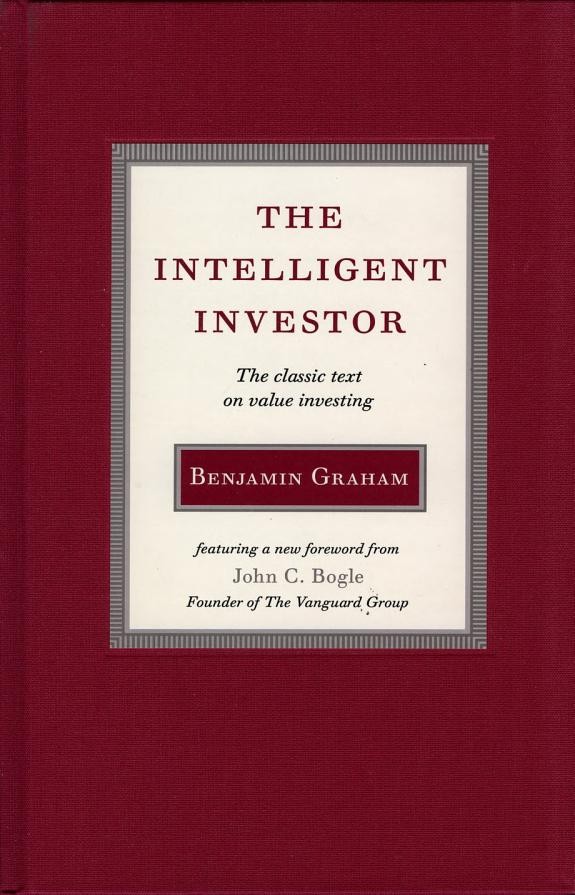
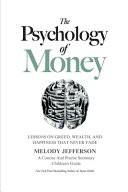
Two books about money turn up on reading lists again and again: Benjamin Graham’s The Intelligent Investor, a landmark of investing first published in 1949, and Morgan Housel’s The Psychology of Money, a modern collection of stories about how we behave around money. One is a thoughtful, considered guide from the middle of the last century. The other is a friendly set of essays from our own time. They are often recommended together, and for good reason.
This guide looks at what each book offers, how they fit together and which might suit you best. We will also look at where the ideas touch everyday UK life, such as workplace pensions and ISAs, in a general, educational way, and point to a few of our other Book Club guides that connect with the same themes.
The Intelligent Investor is about method: a way of thinking about investing built around ideas such as the margin of safety and Mr Market. The Psychology of Money is about mindset: short, readable stories on why behaviour, luck, patience and knowing when you have enough often matter as much as technical knowledge. Many readers find The Psychology of Money a gentle way in and The Intelligent Investor a rewarding companion, and either can come first. Both reward being read slowly.
The two books side by side
| The Intelligent Investor | The Psychology of Money | |
|---|---|---|
| Author | Benjamin Graham | Morgan Housel |
| First published | 1949, with revised editions since | 2020 |
| Core idea | Approach investing with care, patience and a margin of safety | How we behave around money matters at least as much as what we know |
| Signature ideas | Mr Market, margin of safety, defensive versus enterprising investor | Luck and risk, “enough”, compounding over time, reasonable rather than perfectly rational choices |
| Format | A detailed guide, in chapters that build a framework | Short, story-led chapters, easy to read one at a time |
| Best for | Readers who like a thorough, patient framework | Readers who enjoy stories and want a friendly way into the subject |
| Worth knowing | Rich and detailed, so it rewards a slow read with a pen to hand | Quick to read, with ideas that stay with you |
| Reading experience | Richly detailed, with some financial terms to explore | Relaxed and easy to read |
What they share
- A long-term view. Both books invite readers to think in years and decades, rather than days and weeks.
- Respect for human nature. Each recognises that emotions and habits shape financial choices, and neither makes anyone feel foolish for that.
- Humility. Both are comfortable with uncertainty and encourage leaving room for the unexpected.
- Clear storytelling. Each uses stories and images to make its ideas easy to remember.
The Intelligent Investor: a framework for thoughtful investing
Benjamin Graham, a teacher and investor, wrote The Intelligent Investor to give ordinary people a sound way of thinking about investing. It has been revised over the years and has long been admired by investors, including Warren Buffett, who studied under Graham. Buffett has described it in glowing terms, and that endorsement has helped keep the book on bookshelves for generations.
Its best-known ideas include:
- Mr Market. Graham imagines the market as a business partner who turns up each day offering to buy or sell, with moods that swing from cheerful to gloomy. The lesson is that you are free to ignore the mood and make your own considered decisions.
- Margin of safety. The idea of leaving a cushion for error, so that things do not have to go perfectly for a decision to turn out well.
- Defensive and enterprising investors. Graham describes two broad styles: one that favours simplicity and a low time commitment, and another that is willing to put in more work and attention.
- Investing versus speculating. A thoughtful distinction between putting money to work with careful analysis and simply hoping prices will rise.
The book is richly detailed, so many readers enjoy it in small portions, returning to a chapter when a particular question comes up.
For a month, write down one question each week that Mr Market could help with, such as how you would feel if an investment you hold changed in value tomorrow. Jot down how you would respond if you were calm and how you would respond if you were worried, and see whether the two answers match. This is a reflection exercise only, and not a prompt to buy or sell anything.
The Psychology of Money: why behaviour matters
Morgan Housel, a writer who has worked as a columnist and a partner at an investment firm, published The Psychology of Money in 2020. It is made up of short chapters, each a small story or essay about how people think about money. Its central thought is that doing well with money is less about being clever and more about behaving sensibly, patiently and consistently.
Some of the themes readers remember:
- Luck and risk. Outcomes are shaped by factors outside our control, which is a reason to be generous in judging others and cautious in judging ourselves.
- Never enough. Knowing when you have enough can protect you from taking risks that are not needed.
- The power of time. Small amounts, left to grow over a long period, can have surprisingly large effects.
- Room for error. Planning with a cushion, because the future rarely follows the script.
- Reasonable over perfectly rational. Choices that you can stick with are often more useful than ones that look ideal on paper.
Many readers say it is the kind of book they finish in a few sittings and then think about for weeks. Its stories are the sort you find yourself retelling to friends.
Write down, in your own words, what “enough” means to you, in a few short lines. Over the month, notice one moment when you feel the pull of comparing yourself with someone else, and note how that feeling changes when you remember your own definition. It is a quiet exercise in the book’s theme of knowing what matters to you.
Where the two books feel different
The clearest difference is the question each asks. The Intelligent Investor asks, “What is a careful way to approach investing?” The Psychology of Money asks, “How do people really behave with money, and what does that mean for how we plan?” One is a book about method; the other is a book about mindset.
They also differ in pace. The Intelligent Investor is thorough and detailed, designed to be studied. The Psychology of Money is short, warm and conversational, designed to be enjoyed in one sitting. Each has its own charm. They are two different kinds of companion, and many readers find that each makes the other easier to appreciate.
Where the lessons touch everyday UK life
Both books were written by American authors with a US audience in mind, and neither is a guide to UK rules, but their ideas often come to mind when people think about the savings and investment arrangements that are familiar in the UK. This section is for general interest only and is not advice.
- Workplace pensions. Money that is set aside regularly over many years is a natural place to think about the “power of time” in The Psychology of Money and the long-term outlook shared by both books.
- ISAs. Whether someone holds cash, investments or both in an ISA, ideas such as keeping a cushion, ignoring daily mood swings and understanding what you hold are the kind of themes both authors discuss.
- Everyday planning. The idea of “enough” and of leaving room for error applies just as well to an emergency fund or a household budget as to an investment.
The details of any arrangement, including the rules, costs and risks, are best checked with official sources or a regulated adviser, as they depend on your own circumstances.
Which one suits which situation?
Here is a gentle guide, based on what each book emphasises. Treat it as a starting point rather than a rulebook:
| Your situation | Where to start | Why |
|---|---|---|
| You are new to thinking about money and investing | The Psychology of Money | Its short, story-led chapters are a friendly way in |
| You like a thorough, structured framework | The Intelligent Investor | It builds a method step by step |
| You want to understand your own habits with money | The Psychology of Money | It focuses on behaviour, patience and knowing what is enough |
| You enjoy reading classics and taking notes | The Intelligent Investor | It rewards a slow read with a pen in hand |
| You would like both mindset and method | Both | Together they cover the why and the how |
Connecting these ideas to other Book Club reads
Money decisions are human decisions, so many of the themes in these books appear elsewhere in our Book Club. A few connections you might enjoy:
- How our minds handle risk. Our guide to Thinking, Fast and Slow and Noise explores loss aversion and overconfidence, both closely related to Housel’s stories.
- Small steps, repeated. The power of time is also the heart of our guide to Atomic Habits and The Power of Habit.
- Why we follow the crowd. Social proof, one of the principles in our guide to Influence and Pre-Suasion, helps explain why markets sometimes move together.
- Envy, irrationality and other tendencies. Our comparison of The 48 Laws of Power and The Laws of Human Nature looks at emotions that shape financial choices as well.
- Patience and endurance. Our guide to Good to Great and Built to Last explores long-term thinking in organisations, a close cousin of long-term investing.
- Testing and learning. If you enjoy the idea of taking small, careful steps and learning as you go, our comparison of Zero to One and The Lean Startup offers a parallel in the world of start-ups.
- Luck and fortune. Machiavelli’s reflections on fortune in our guide to The 48 Laws of Power and The Prince echo Housel’s thoughts on luck.
- Preparation and room for error. The themes of preparation in The Art of War and The Prince and in The 48 Laws of Power and The 33 Strategies of War sit comfortably beside the margin of safety.
- Conversations about money. Talking calmly about money with family or partners can be easier with the tools in Never Split the Difference and Getting to Yes and How to Win Friends and Influence People and How to Talk to Anyone.
You can find all of these, and more as we add them, on our CROWNLEIGH Book Club page.
Our suggested reading order
If you are new to the subject, you might enjoy starting with The Psychology of Money. It is quick to read, and it sets a thoughtful, humane tone. The Intelligent Investor can then follow whenever you fancy a more detailed framework. If you already enjoy a structured, classic text, it works beautifully to start with The Intelligent Investor and read Housel afterwards for the human side of the story.
Frequently asked questions
Should I read The Intelligent Investor or The Psychology of Money first?
Many readers find The Psychology of Money a welcoming place to start, because it is short and easy to read. If you prefer a thorough, classic framework, The Intelligent Investor is a lovely first read too. Many readers enjoy either order.
Is The Psychology of Money easier to read than The Intelligent Investor?
Most readers find it quicker to read, since it is made up of short, story-led chapters. The Intelligent Investor is more detailed and is often enjoyed in small portions. Each is rewarding in its own way.
Do I need to read both?
Not at all. Each stands on its own. Reading both simply gives you a method and a mindset, which many people find a pleasant combination.
Are these books personal financial advice?
No. Both are general books written for a wide audience, and this article is a general guide to them. For decisions about your own money, a qualified, regulated adviser can help with your individual circumstances.
Can I read The Intelligent Investor and The Psychology of Money together, and is it worth it?
Yes, and many people enjoy it. A pleasant approach is to read a story from Housel, then a chapter from Graham, and notice how the ideas speak to each other. The 30-day reflections above are an easy way to do just that.
A closing thought
Both of these books, in their different ways, suggest that good financial thinking is as much about temperament as technique: patience, humility and a clear sense of what matters to you. Whichever you open first, you are likely to finish with a calmer, more curious view of money and a handful of questions worth turning over.
Book links go to Amazon; see our advertising disclosure.