Think and Grow Rich vs The Magic of Thinking Big
Napoleon Hill on desire, planning and persistence and David Schwartz on believing big and building everyday confidence: two positive-thinking classics, compared, with a suggested reading order.
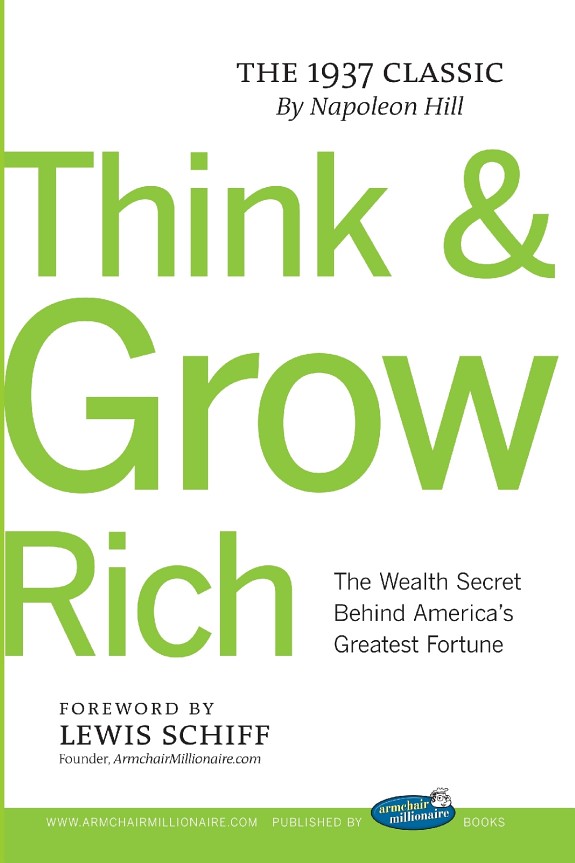
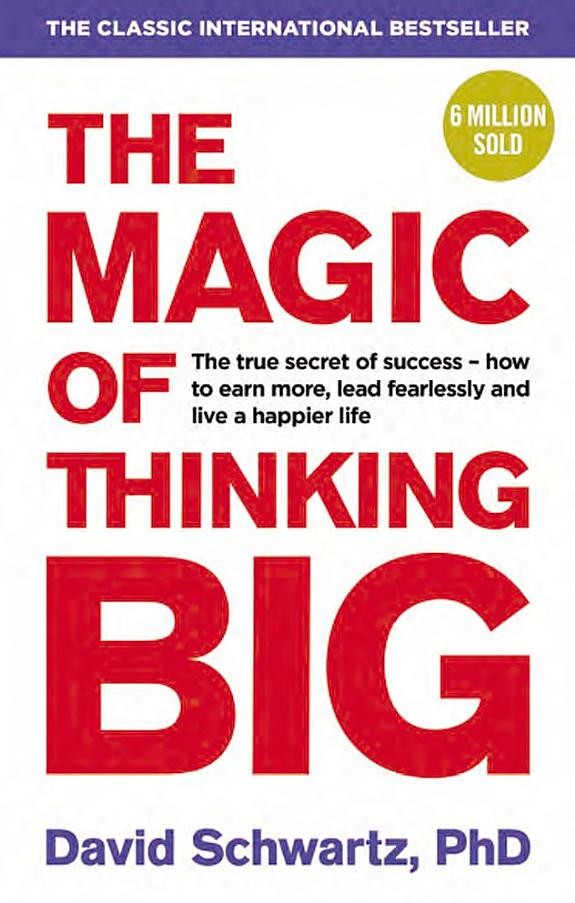
Two long-loved books sit at the heart of the positive-thinking tradition. Napoleon Hill’s Think and Grow Rich, first published in 1937, is built around desire, planning and persistence. David J. Schwartz’s The Magic of Thinking Big, first published in 1959, turns attention to everyday attitudes, from confidence to how we talk about ourselves. Both have been read by millions of people, and both continue to be recommended by readers who find them encouraging. They are close cousins, with different personalities.
This guide looks at what each book offers, how they fit together and which might suit you best. We will keep things factual and gentle, and point to a few of our other Book Club guides that connect with the same themes.
Think and Grow Rich is about direction: it encourages you to define a clear desire, make a plan, persist and gather supportive people around you. The Magic of Thinking Big is about attitude: it offers a collection of practical habits for building confidence, replacing excuses with action and thinking in terms of possibility. Many readers find Think and Grow Rich a good prompt for planning and The Magic of Thinking Big a friendly companion for everyday confidence. Both are lovely to read as encouragement, and are best enjoyed without expecting guarantees.
The two books side by side
| Think and Grow Rich | The Magic of Thinking Big | |
|---|---|---|
| Author | Napoleon Hill | David J. Schwartz |
| First published | 1937 | 1959 |
| Core idea | A definite desire, a plan, persistence and supportive cooperation can carry you towards your goal | Believing in what you can do, and building habits of confidence and action, helps you aim higher |
| Signature ideas | Desire, faith, organised planning, persistence, the “master mind” group | Believing you can succeed, replacing excuses with action, thinking big, building confidence, using your surroundings and your words well |
| Focus | Goals, planning and perseverance | Attitude, confidence and everyday habits |
| Tone | Earnest and philosophical, with a classic, motivational voice | Friendly, practical and conversational, with plenty of everyday examples |
| Best for | Readers who like goal-setting and classic motivational writing | Readers who like practical confidence-building tips |
| Reading experience | A little formal, with a flavour of its era | Easy and encouraging, with short, practical chapters |
What they share
- Belief matters. Both books emphasise the effect of our beliefs on what we attempt and how we persevere.
- Action over waiting. Each encourages readers to take the first step rather than wait for the perfect moment.
- Encouraging stories. Both use examples of people overcoming doubt to illustrate their points.
- A classic status. Both belong to a long tradition of motivational writing that is still read today.
Think and Grow Rich: desire, planning and persistence
Napoleon Hill published Think and Grow Rich in 1937, in the later years of the Great Depression. The book says it draws on Hill’s study of many successful people, and it sets out what it presents as common principles in how they pursued their goals.
Some of the key ideas:
- Desire. The journey begins with a clear, definite goal that matters deeply to you.
- Faith. Confidence that the goal can be reached keeps you moving.
- Organised planning. Turn the desire into a concrete plan, and be ready to revise it.
- Persistence. Keep going through setbacks, which the book treats as a key quality.
- The master mind. A small group of people who share your commitment and offer support and ideas.
Many readers return to the book for its chapters on persistence and planning, which still read as a warm encouragement to stay the course.
Write down one goal in a sentence and a three-step plan with a date for each step. Share it with one or two supportive people and check in with them weekly. At the end of the month, note which steps you completed and what you would change in the plan.
The Magic of Thinking Big: attitude, confidence and everyday habits
David J. Schwartz, who taught business at a university, published The Magic of Thinking Big in 1959. It is a practical, friendly book of short chapters, and its central idea is that the size of our results is often linked to the size of our thinking. Each chapter offers ideas and simple exercises that you can try in everyday life.
Some of the key ideas:
- Believe you can succeed. Confidence in your ability is presented as the starting point.
- Replacing excuses with action. The book invites you to notice the reasons we give for holding back, and to try small actions instead.
- Thinking big. Aim higher than you first thought you could, and let your language reflect that.
- Building confidence. Practical suggestions, such as speaking up, sitting near the front and acting promptly on your ideas.
- Your surroundings and your words. Choose supportive company and positive, constructive language.
Many readers enjoy the book for its approachable tone and its small, doable exercises.
For one month, each time you notice yourself making an excuse or thinking “I could never do that”, write it down and then write one small action you could take instead. Try one of those actions each week and note how it feels.
Where the two books feel different
The clearest difference is where each puts its energy. Think and Grow Rich starts with the goal: what do you want, and what is your plan? The Magic of Thinking Big starts with the person: how do you see yourself, and how do you act day to day? One is a map for the journey, the other a pep talk for the traveller.
They also differ in voice. Think and Grow Rich has an earnest, philosophical feel and the language of its time. The Magic of Thinking Big is conversational and practical, with everyday scenes from the office, the classroom and the home. Many readers find the two sit well together: Think and Grow Rich sets the direction, and The Magic of Thinking Big supplies the daily habits that help you keep going.
A gentle note on positive thinking
Both books are warmly encouraging, and it is worth remembering that attitude is only one part of what shapes our lives. Circumstances, opportunities, skills and support matter too, and a positive outlook can sit comfortably alongside practical preparation. Readers often enjoy taking the ideas that appeal to them and adapting them to their own situation. The books are lovely as inspiration, though neither is intended as a substitute for professional advice on health, finances or other serious matters.
Which one suits which situation?
Here is a gentle guide, based on what each book emphasises. Please treat it as a starting point rather than a rule:
| Your situation | Where to start | Why |
|---|---|---|
| You have a big goal and want a framework for planning | Think and Grow Rich | It is built around desire, planning and persistence |
| You would like to feel more confident in everyday situations | The Magic of Thinking Big | It offers practical confidence-building habits |
| You enjoy classic, philosophical motivational writing | Think and Grow Rich | It is one of the best-known books in the genre |
| You like short chapters with simple exercises | The Magic of Thinking Big | Its chapters are practical and easy to try |
| You would like both the direction and the daily habits | Both | Together they cover planning and attitude |
If you enjoyed these ideas
A handful of our other Book Club guides connect closely with the ideas in these two books:
- More from Napoleon Hill. Think and Grow Rich is also compared with another famous money book in our guide to Think and Grow Rich and Rich Dad Poor Dad.
- Small habits, repeated. Everyday habits are the heart of our guide to Atomic Habits and The Power of Habit.
- Confidence with people. Warm, practical ideas about connecting with others appear in our guide to How to Win Friends and Influence People and How to Talk to Anyone.
- Taking responsibility. Replacing excuses with action links closely with our guide to Extreme Ownership and Leaders Eat Last.
- Money and temperament. The calm habits of mind behind good financial decisions are explored in our guide to The Intelligent Investor and The Psychology of Money.
You can find all of these, and more as we add them, on our CROWNLEIGH Book Club page.
Our suggested reading order
If you would like a friendly, practical way in, we would suggest starting with The Magic of Thinking Big. Its short chapters and exercises are easy to try, and they build a warm, confident mindset. Then read Think and Grow Rich for a framework to turn that confidence into a plan. If you already have a clear goal and want to organise it first, it works nicely the other way round: begin with Think and Grow Rich for the plan, and follow with The Magic of Thinking Big for the everyday habits.
Frequently asked questions
Should I read Think and Grow Rich or The Magic of Thinking Big first?
If you would like practical, everyday confidence-building ideas, The Magic of Thinking Big is a lovely first read. If you would like a framework for planning towards a goal, Think and Grow Rich is a natural place to begin. Many readers enjoy either order.
Which is better for self-development, Think and Grow Rich or The Magic of Thinking Big?
Both are popular for personal development, and they emphasise different things. Think and Grow Rich focuses on goals, planning and persistence, while The Magic of Thinking Big focuses on attitude and confidence in daily life. Which feels like the better fit often depends on whether you would like a plan or a boost.
Do I need to read both?
Not at all. Each book stands happily on its own. If you do read both, you get a framework for planning and a collection of habits for confidence.
Are these books still relevant today?
Many readers find that they are. Their examples come from an earlier era, but their themes of belief, persistence and action still resonate with many people today. Some readers also enjoy pairing them with more recent, practical guidance.
Can I read Think and Grow Rich and The Magic of Thinking Big together, and is it worth it?
Yes, and many people enjoy it. A pleasant approach is to read a chapter of one, then a chapter of the other, and try one idea from each over the same month. The 30-day tests above are an easy way to do just that.
A closing thought
Both books carry a gentle message: that how we see ourselves influences what we are willing to try, and that small steps taken with confidence can add up. Whichever you open first, you may well finish with a lighter heart and a few simple ideas to try this month.
Book links go to Amazon; see our advertising disclosure.